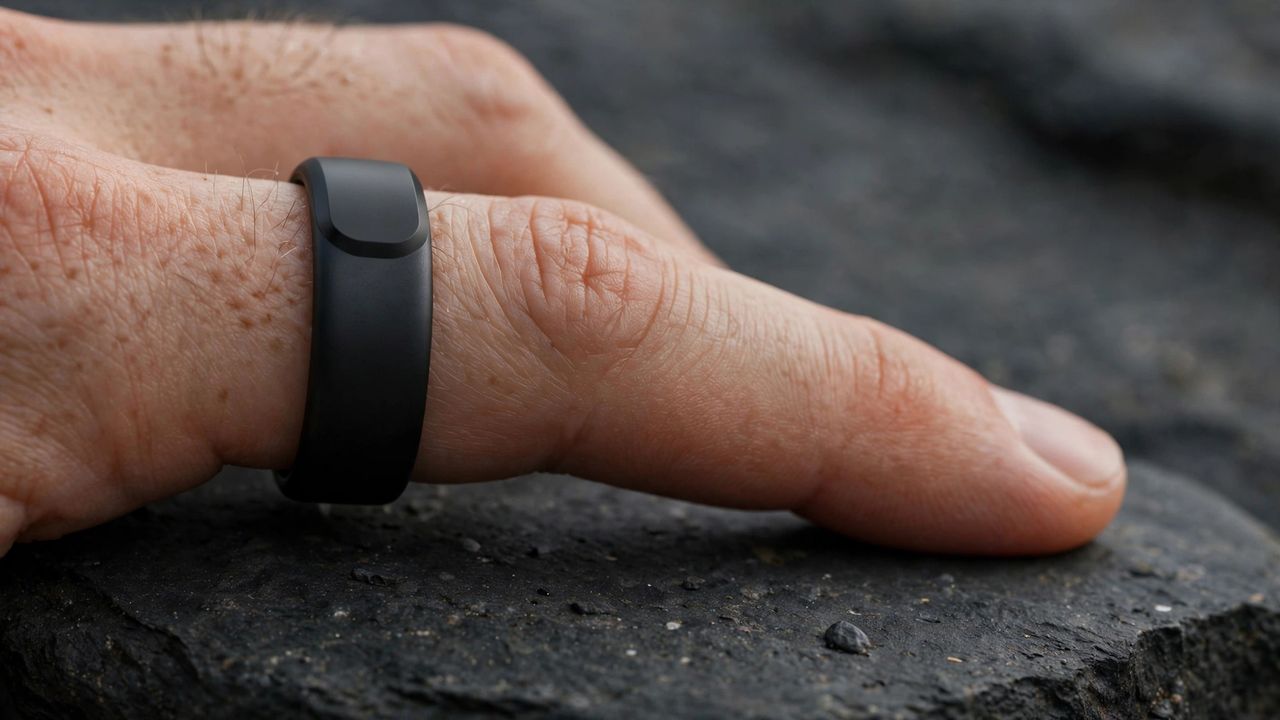
Smart rings pack sleep tracking, heart monitoring and activity logging into something the size of a wedding band — no screen, no bulk, no nightly charging routine. If you dislike wearing a watch to bed or want subtle 24/7 tracking that fits any style, a ring is now the most comfortable and discreet option on the market.
What They Track Well
Rings shine at sleep stages, resting heart rate, heart-rate variability (HRV) and readiness scores. The finger gives a stronger pulse signal than the wrist, so overnight data is excellent. For step counts and workouts they are decent, though a sporty watch still wins for GPS runs and high-intensity interval tracking.
Get the Size Right
This is the make-or-break step. Most brands ship a free sizing kit first — wear the test ring for 24 hours on the finger you plan to use, since fingers swell during the day. A loose ring gives bad readings; a tight one gets uncomfortable at night.
Check the Subscription
Hardware price is only half the story. Some rings require a monthly subscription to unlock full insights, while others include everything free forever. Add two years of fees to the price before comparing — the "cheap" ring is not always cheap.
Battery and Build
Expect 5–8 days of battery on most models — the whole point is forgetting it is there. Look for scratch-resistant coatings if you work with your hands, and at least water resistance for showers and everyday handwashing.
Getting Real Value From It
The magic is in the trends: watch how HRV, resting heart rate and sleep quality move over weeks, and correlate dips with alcohol, late meals or stress. Many owners say the readiness score alone changed their exercise and drinking habits for the better, which is where a ring earns its price.