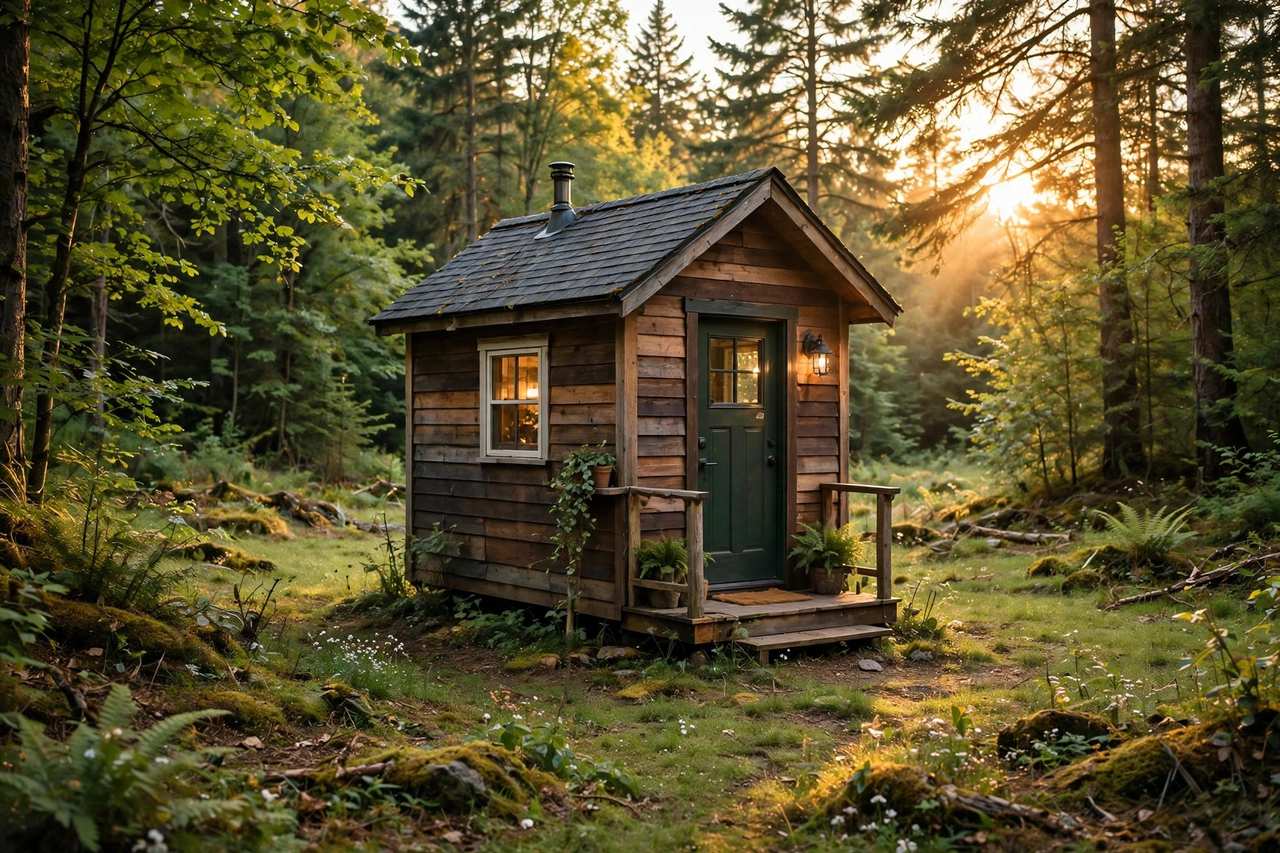
Tiny homes promise freedom from mortgages and clutter — but the reality involves zoning laws, creative storage, and serious downsizing. Here's an honest guide to living small in 2026.
The Real Cost of Going Tiny
A professionally built tiny home runs $40,000–$120,000; DIY builds can dip to $20,000–$40,000 in materials. But the house is only part of it — land, utility hookups, and permits often add tens of thousands more. Budget the full project, not just the build, and keep a 15% contingency fund.
Zoning: The Biggest Hurdle
Many areas don't legally allow full-time tiny-home living. Research local zoning before buying anything: some counties permit them as ADUs (accessory dwelling units), others only in designated tiny-home communities or RV parks. Call your local planning office — a 10-minute call can save a $50,000 mistake.
Making 400 Square Feet Feel Spacious
Smart design beats square footage. Go vertical with lofted beds and tall shelving, choose multi-purpose furniture (storage stairs, fold-down tables), and use light colors plus big windows to open the space visually. Every item needs a home — if it doesn't have a designated spot, it becomes clutter within a week.
Is Tiny Living Right for You?
It suits minimalists, remote workers, and debt-averse savers — and challenges families, hobbyists with gear, and anyone who hosts often. Try before you commit: rent a tiny home for a week through a vacation platform. You'll learn more in seven days than in seven months of research.
Tiny living isn't about sacrifice — it's about choosing what matters and releasing the rest. Do the legal homework, design smart, test-drive the lifestyle, and small can feel like freedom.