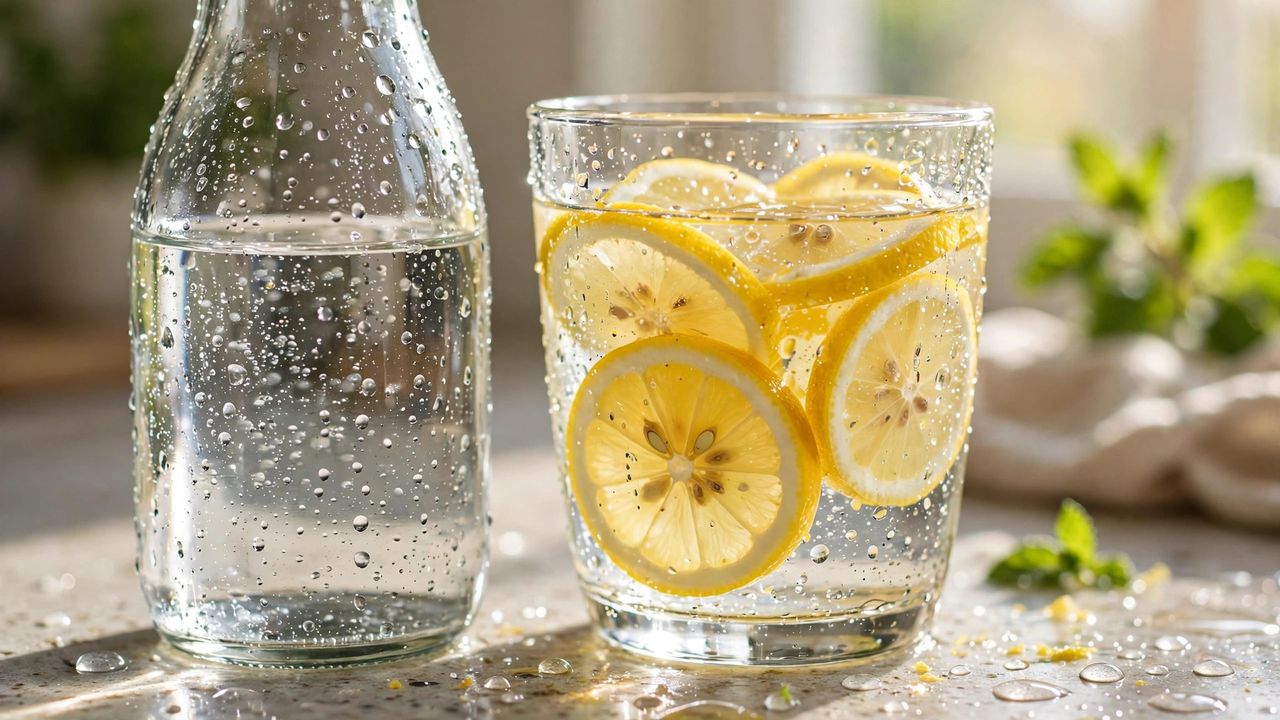
Forget the rigid "8 glasses a day" rule — your water needs depend on your size, activity, and climate. Here's what hydration science actually says in 2026, and how to make drinking enough water effortless.
How Much Do You Actually Need?
A good baseline is about 30–35 ml of water per kg of body weight daily — roughly 2 to 2.7 liters for a 70 kg adult. Exercise, heat, and illness all raise the need: add 500–1000 ml per hour of hard exercise. About 20% of your water comes from food, so your drink target is roughly 1.6–2.2 liters for most people.
Signs You're Running Low
Thirst is actually a late signal — by the time you feel thirsty, you're already slightly dehydrated. Earlier signs include dark yellow urine, afternoon headaches, dry lips, and that 3 PM energy slump. Aim for pale-straw-colored urine as your daily gauge — it's the simplest hydration meter you have.
Simple Habits That Work
Keep a 1-liter bottle at your desk and finish it twice — visible reminders beat memory. Drink a full glass when you wake up, before each meal, and after every coffee (caffeine is mildly diuretic). Set a recurring phone alarm labeled "water" if you keep forgetting; delete it after three weeks when the habit sticks.
What Counts (and What Doesn't)
Tea, coffee, sparkling water, and even milk all count toward hydration — the "coffee dehydrates you" claim is overblown for regular drinkers. Fruit, cucumber, and soups add up too. Alcohol is the one to watch: it actively dehydrates, so alternate each drink with a glass of water. Sugary sodas hydrate but carry calories you don't need.
Hydration isn't about chugging a gallon — it's about a steady trickle through the day. Find your baseline, keep water visible, and let pale urine be your guide.