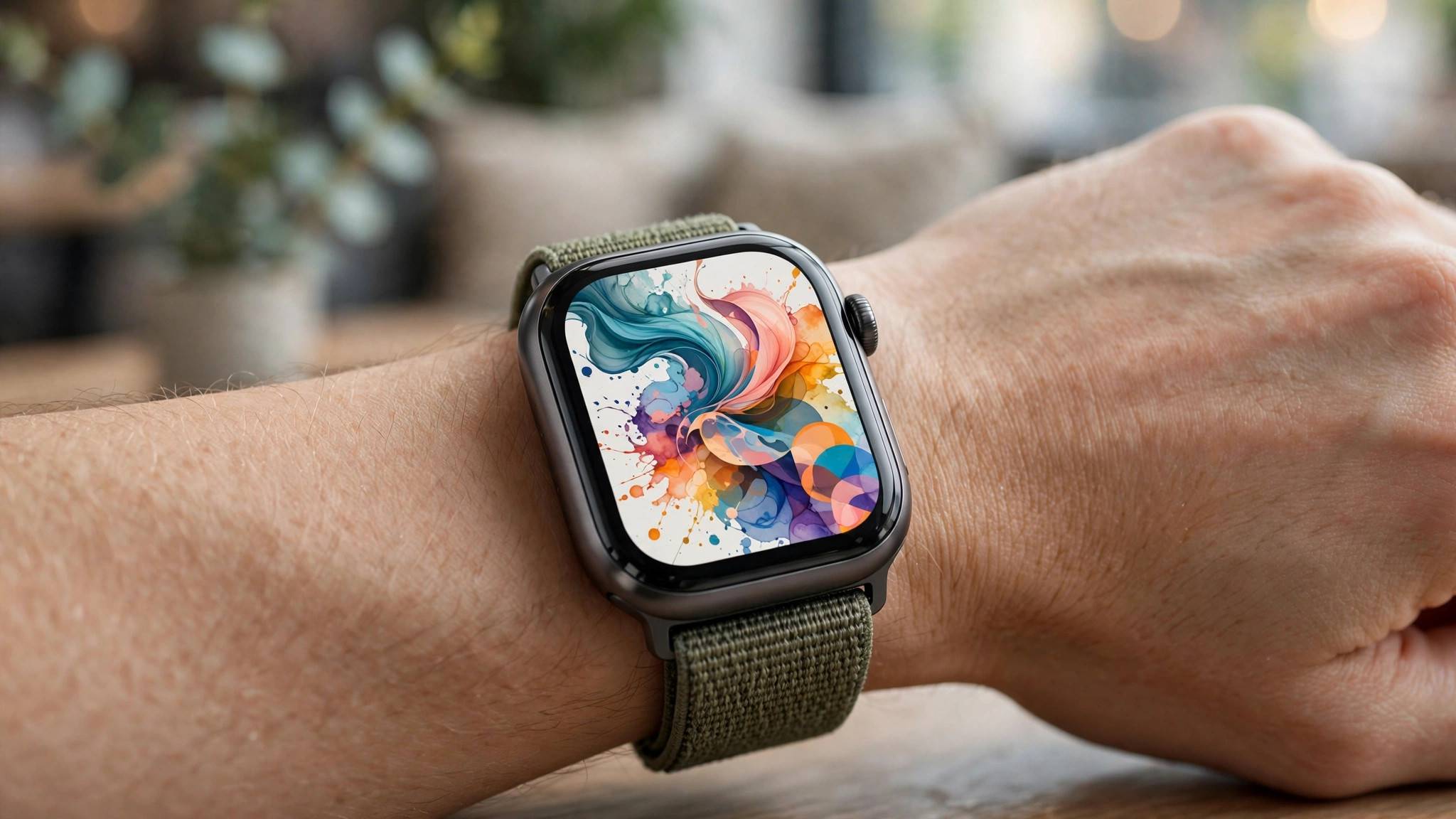
Modern smartwatches track workouts, monitor your heart, handle calls, and even detect falls — but the market is crowded. The right watch in 2026 depends on your phone, your fitness habits, and how often you want to charge it. Here is the breakdown.
1. Match It to Your Phone
Apple Watch works best (and mostly only) with iPhones; Samsung's Galaxy Watch shines with Samsung phones; Garmin and others play well with both. Buy within your phone's ecosystem — cross-platform pairing always loses features you paid for.
2. Battery Life: The Real Trade-Off
Apple and Samsung watches last about 1–2 days; Garmin and Amazfit models stretch to one or two weeks. Longer battery usually means a dimmer screen and fewer apps. Decide honestly: do you want a mini-smartphone on your wrist, or a fitness tracker that never dies mid-trip?
3. Health Sensors That Matter
Heart-rate, SpO2, sleep tracking, and GPS are now standard. ECG and blood-pressure features exist on premium models but vary by region. Ignore sensor counts and check accuracy reviews — a watch with fewer, accurate sensors beats one with many unreliable ones.
4. Fitness Features for Athletes
Runners and cyclists should look at Garmin or Coros: multi-band GPS, training load analysis, and recovery metrics are genuinely useful. Casual exercisers get everything they need from mainstream watches. Match the watch to your actual training — pro features unused are just expensive decoration.
5. Budget Options Are Excellent Now
Brands like Amazfit, Xiaomi, and CMF offer heart-rate tracking, GPS, and week-long batteries for a fraction of flagship prices. If you mainly want notifications, fitness tracking, and sleep data, a $100 watch covers 90% of what flagships do.
6. Comfort and Size Count
You will wear this all day and night — a heavy or bulky watch ends up in a drawer. Try sizes in person if possible; lighter is better for sleep tracking. The best smartwatch is the one comfortable enough that you forget you are wearing it.