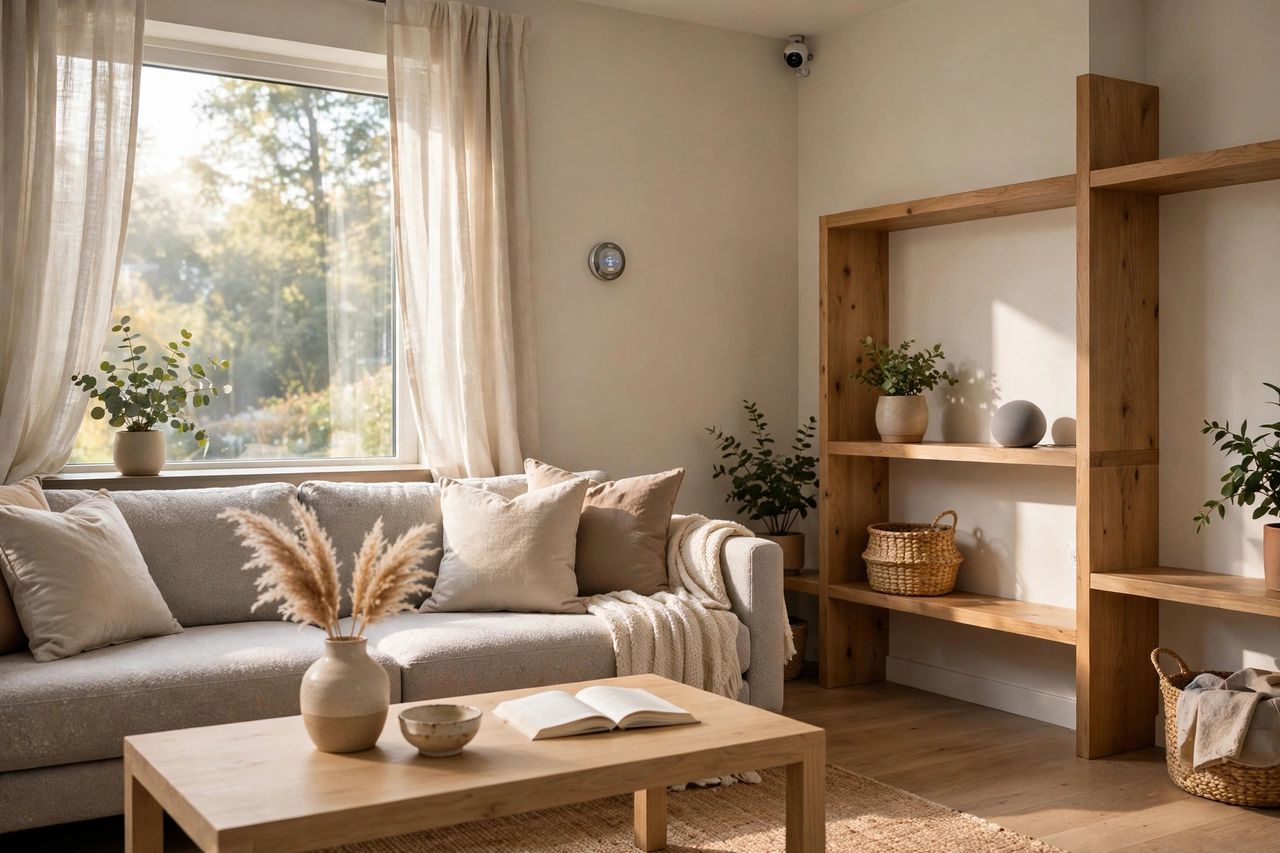
Thinking about turning your home into a smart home in 2026? You're not alone. Prices have dropped, setup has become almost effortless, and you no longer need to be a tech expert. The secret most beginners miss: start small and build everything around one hub, not ten random gadgets.
Begin with a smart speaker as your control hub
A smart speaker with a voice assistant (like Alexa, Google Assistant, or Siri devices) is the best first purchase. It costs less than a dinner out and becomes the remote control for everything else. Use it to set timers, play music, check the weather, and later control lights and plugs with simple voice commands. Pick one platform and stick with it — mixing ecosystems is the biggest source of beginner frustration.
Smart bulbs and plugs: cheap, instant wins
Smart bulbs turn an ordinary lamp into something you control from your phone or with your voice. Start with two or three in your living room or bedroom. Smart plugs are even simpler: plug any lamp, fan, or coffee maker into one and it becomes voice-controllable. No wiring, no electrician, no risk — the perfect confidence-building first step.
Cameras and thermostats: security and savings
A video doorbell or indoor camera gives instant peace of mind — see who's at the door from anywhere. A smart thermostat learns your schedule and cuts heating and cooling bills by 10–15% on average. Both pay for themselves over time, but both also collect data, so choose brands with local storage options and clear privacy policies.
Budget, setup, and privacy rules for beginners
Set a starter budget — $100–200 is enough for a speaker, two bulbs, and a plug. Buy during sales (Prime Day, Black Friday). For setup: strengthen your Wi-Fi first (a mesh router helps big homes), use one app ecosystem, and rename devices clearly ("living room lamp"). For privacy: change default passwords, enable two-factor authentication, keep firmware updated, and turn off microphones and cameras you're not using.
A smart home doesn't need to be built in a weekend. Add one device at a time, learn what you actually use, and let your setup grow naturally. In 2026, the technology is finally simple enough that anyone can start — and you'll wonder how you lived without voice-controlled lights.