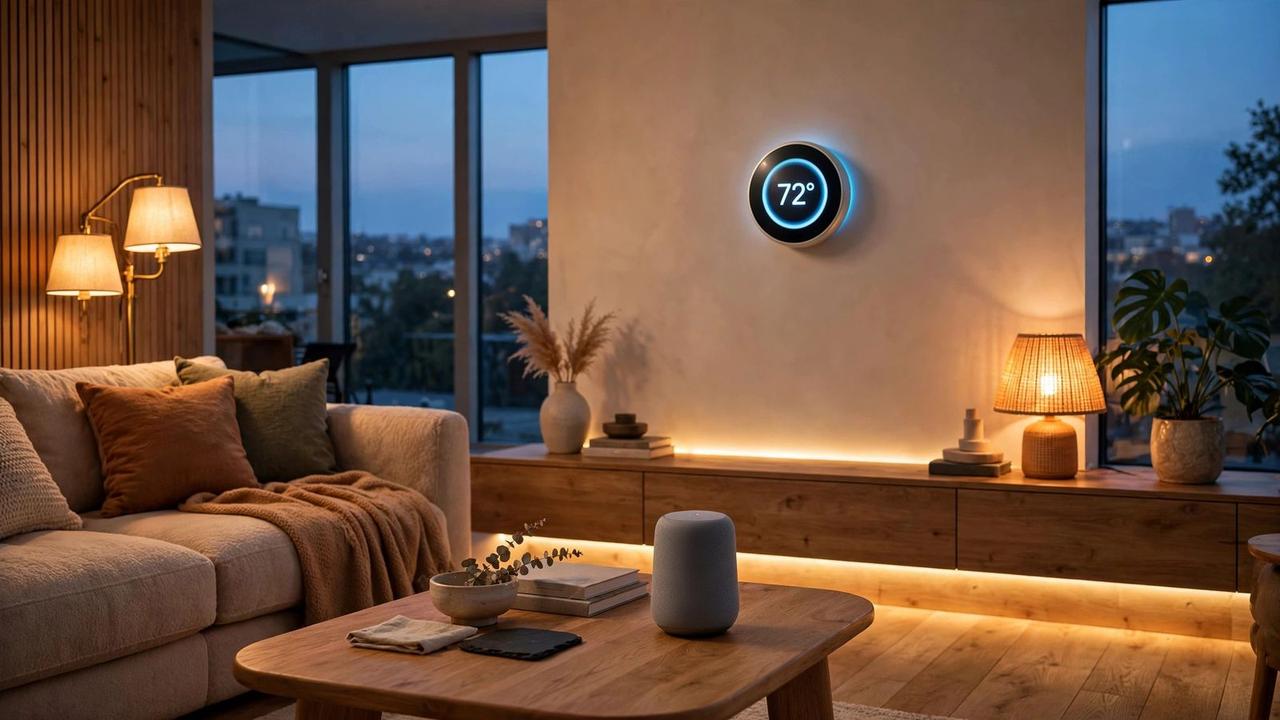
A smart home used to mean rewiring your house and spending a fortune. In 2026, it means plugging in a $15 smart plug and telling your voice assistant to turn off the lamp. The secret beginners miss is to start with one room, not the whole house — master the basics, then grow from there.
Start Small With Smart Plugs
Smart plugs are the perfect first buy: they turn any ordinary lamp, fan, or coffee maker into a device you can control from your phone or with your voice. Pick one room — usually the bedroom or living room — and automate just two or three devices. You will instantly learn what you enjoy automating, without spending much money.
Choose One Voice Assistant and Stick With It
Amazon Alexa, Google Assistant, and Apple Siri all do the job, but mixing them across your home creates headaches. Pick the one that matches your phone and streaming habits — Android users lean Google, iPhone users lean Siri, and bargain hunters lean Alexa. One assistant means one app, one set of routines, and far less troubleshooting.
Do You Really Need a Hub?
Most beginners do not. Wi-Fi devices connect straight to your router with no extra box. A hub (like Home Assistant or a Zigbee bridge) only becomes worth it when you have dozens of devices or want them to keep working if the internet goes down. Rule of thumb: under 15 devices, skip the hub. If your collection grows past that, a hub brings faster responses and better reliability.
Build Routines That Actually Save You Time
Routines are where automation pays off — a single command that chains several actions. Classic winners: "Good night" (locks the door, kills the lights, sets the alarm) and "Movie time" (dims lights, turns on the TV). Write down the three things you do manually every day, and turn those into routines first. Schedule lights to mimic occupancy when you travel.
Privacy and Security Are Not Optional
Every smart device is a small computer on your network — treat it like one. Use a unique password for every device account, enable two-factor authentication, and put smart gadgets on a separate guest Wi-Fi network if your router supports it. Check app permissions yearly, disable microphones on devices you do not use by voice, and buy from established brands that still push security updates. Convenience should never cost you control of your home.