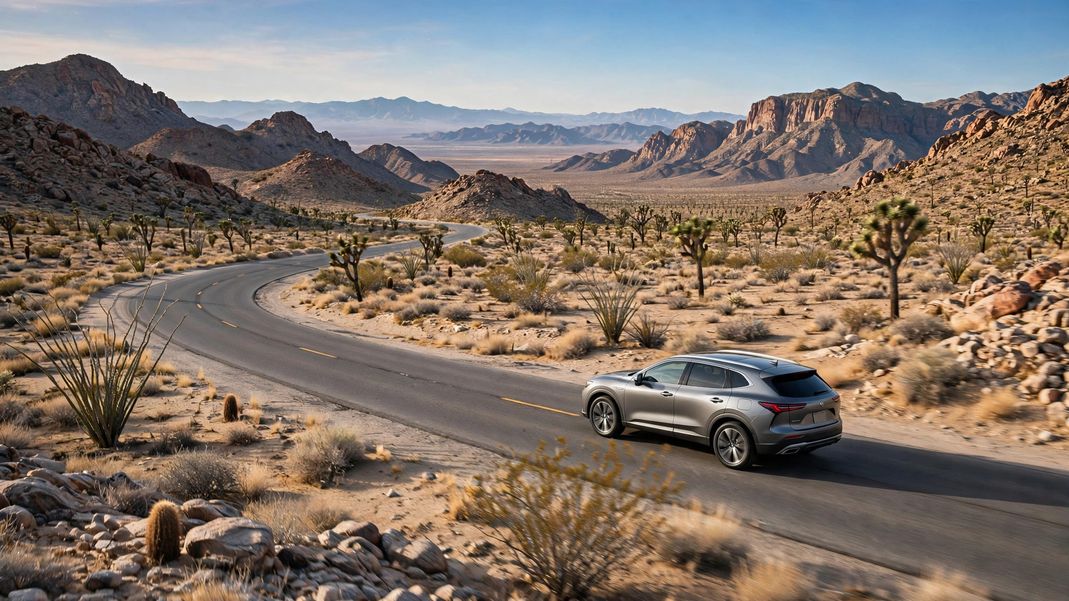
An American road trip is freedom on four wheels — national parks, diners, and highways that stretch to the horizon. Plan around 250–350 miles per driving day; longer days turn adventure into exhaustion.
Picking Your Route
Classic routes include Route 66, the Pacific Coast Highway, and the Blue Ridge Parkway; national-park loops suit nature lovers. Choose a theme — parks, coasts, food, or history — so the trip has a story, not just miles. Shoulder seasons (spring, fall) mean fewer crowds and lower prices.
Budgeting: Fuel, Lodging, Food
Estimate fuel from your car's MPG and current gas prices, then add lodging, park fees, food, and a 15% buffer. Mix motels, campgrounds, and the occasional splurge hotel — variety saves money and keeps the trip fun. National park passes pay for themselves after three parks.
Preparing Your Vehicle
Get an oil change, check tires (including the spare), brakes, and fluids before departure. A pre-trip inspection is the cheapest insurance on any road trip — breakdowns in remote areas cost triple. Pack a jump starter, tire inflator, and basic tool kit.
Packing Smart for the Car
Organize with a cooler, a "car bag" of snacks and chargers up front, and luggage accessible without full unpacking. Keep a day bag packed and reachable — digging through the trunk at every stop gets old fast. Download offline maps for dead zones.
Staying Safe on the Road
Share your itinerary with someone, lock valuables out of sight, and avoid driving drowsy — swap drivers every two hours. Drowsy driving is as dangerous as drunk driving; a 20-minute nap beats "pushing through." Keep emergency contacts and roadside assistance numbers handy.
Making Memories, Not Just Miles
Build in spontaneous stops, roadside attractions, and at least one unplanned day per week. The best road trip stories come from the detours you did not plan — leave room for them. Take photos, keep a journal, and actually talk to locals.