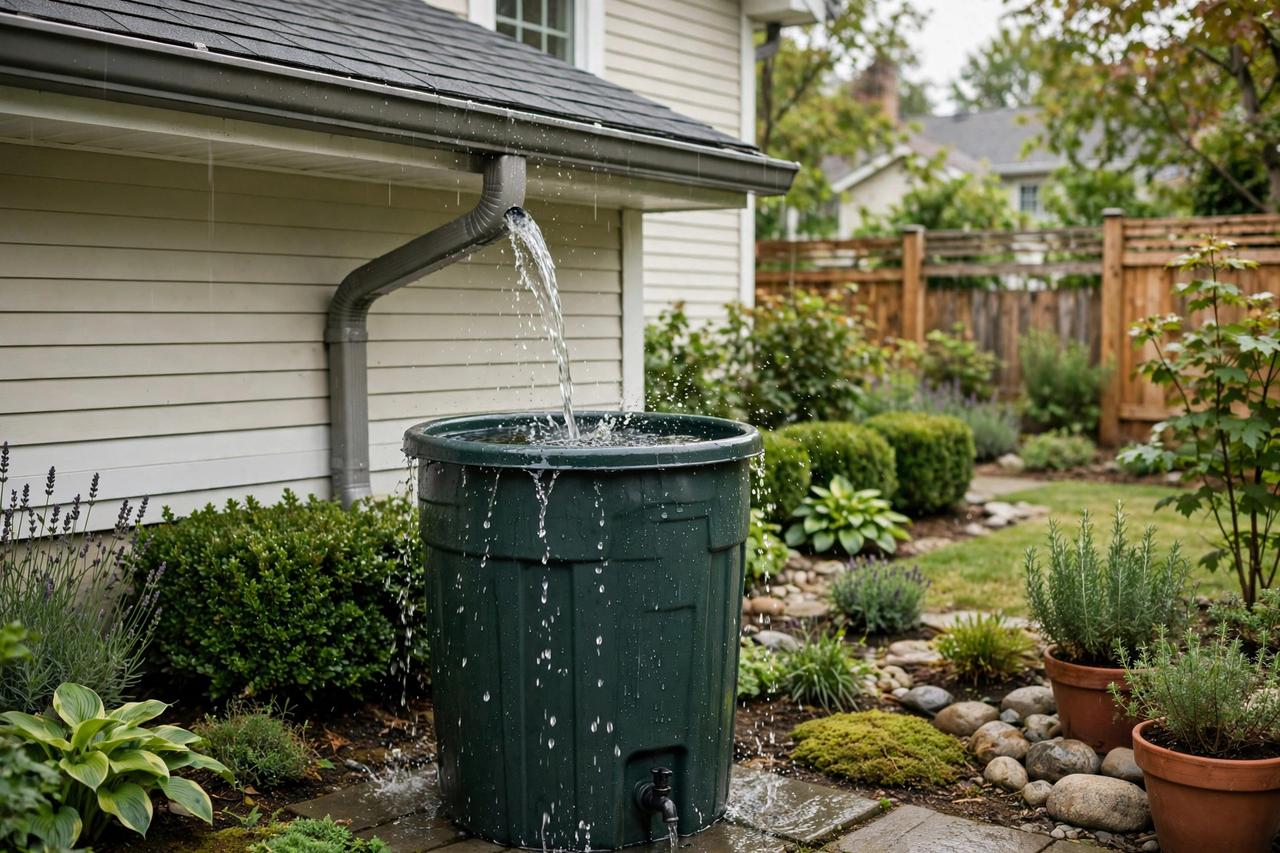
Every time it rains, hundreds of litres of free water slide off your roof and into the drain. With water bills climbing and summers getting drier, collecting that water at home has gone from a hobby to a smart financial move. Here is how to start rainwater harvesting in 2026 without breaking the bank.
Why Rainwater Harvesting Makes Sense in 2026
Water prices in many regions have risen sharply over the last few years, and gardens, lawns, and car washing can account for more than half of a household's summer water use. Rainwater is naturally soft and free of chlorine and fluoride, which makes it ideal for watering plants — gardeners consistently report healthier growth. Add the security of having your own reserve during drought restrictions, and a simple system pays for itself within one or two seasons.
How Much Water Can Your Roof Collect?
The math is encouraging. One millimetre of rain on one square metre of roof yields about one litre of water, so a 100 m² roof in an area with 600 mm of annual rainfall can theoretically collect 60,000 litres a year. In practice you will lose 10–20% to splashing, evaporation, and the first dirty flush, but even so the numbers justify the effort. Check your region's average annual rainfall online to estimate your roof's potential before you buy anything.
The Basic Setup: Gutters, Downspouts, and Diverters
You do not need to rebuild your house. Clean, well-maintained gutters and downspouts are the collection system — most homes already have them. Add a first-flush diverter on each downspout so the first few litres, which wash dust, bird droppings, and pollen off the roof, are discarded automatically. A simple diverter costs little and dramatically improves water quality.
Choosing the Right Storage Tank
Storage is where most of the budget goes. Slimline polyethylene tanks tuck neatly against a wall for small gardens, while larger round tanks suit rural properties. Size matters: aim for at least enough capacity to hold one to two months of your intended use, and always pick an opaque, food-grade tank — sunlight grows algae, and a sealed lid keeps mosquitoes out. Elevate the tank slightly so gravity gives you usable pressure at the tap.
Filters and First-Flush Diverters Keep Water Clean
For garden use, a coarse mesh screen plus the first-flush diverter is usually enough. If you plan to use rainwater for laundry or toilet flushing, add a 20-micron sediment filter and a carbon filter after the tank. Never drink rainwater from a standard setup without proper purification — boiling, UV treatment, and certified filtration — because roof runoff can carry bacteria and heavy metals.
Maintenance and Staying on the Right Side of the Law
Maintenance is simple but non-negotiable: clean gutters twice a year, flush the diverter after heavy storms, and inspect tanks for cracks and slime each spring. Most regions encourage rainwater harvesting, but a few restrict how much you can collect or require registration, so check your local regulations before installing. A small amount of planning keeps the system trouble-free for a decade or more.