Charging an electric car is simpler than most people fear — you mostly charge at home overnight, like a phone, and use public fast chargers only for road trips. But the jargon (Level 1, Level 2, DC fast) confuses every new owner. The key insight for 2026: match your charging setup to your daily driving, and range anxiety mostly disappears.
1. Level 1: The Slow Home Outlet
Level 1 is just a regular wall socket — it adds about 3–5 miles of range per hour. It's enough if you drive under 30 miles a day and charge overnight every night. Level 1 costs nothing to install but is too slow for most drivers as their only option.
2. Level 2: The Sweet Spot for Home
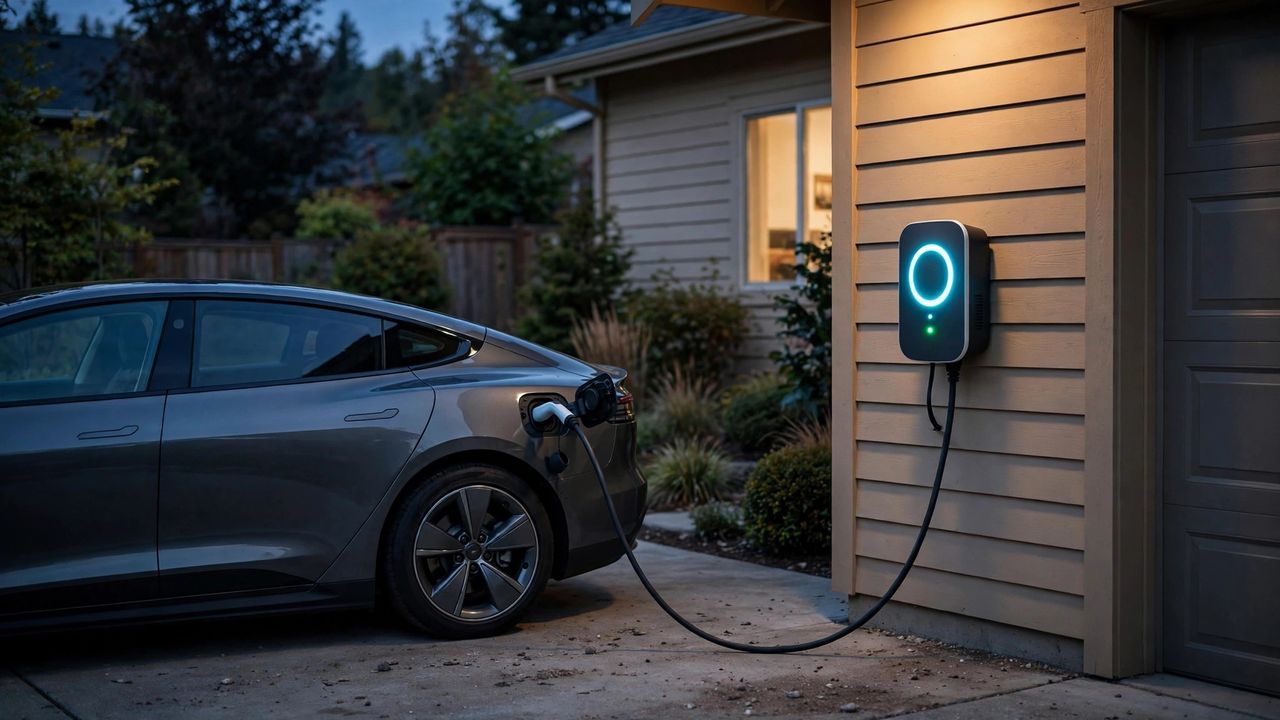
A Level 2 home charger (240V) adds 25–40 miles per hour and fully charges most EVs overnight. Installation typically costs $500–$2,000 depending on your electrical panel, and many regions offer rebates. A Level 2 charger at home is the single best upgrade any EV owner can make.
3. DC Fast Charging: For Road Trips
DC fast chargers add 100+ miles in 20–30 minutes and sit along highways and shopping areas. They're pricier per mile than home charging and not ideal for daily use, but they make long trips easy. Think of fast chargers like gas stations: perfect for trips, unnecessary for daily life.
4. How Much Home Charging Really Costs
Charging at home is dramatically cheaper than gasoline in most places — often the equivalent of $1–$2 per gallon. Check your utility's off-peak rates and schedule charging overnight to pay the lowest price. Time-of-use electricity plans can cut your charging bill nearly in half.
5. Finding Reliable Public Chargers
Apps like PlugShare and your car's built-in navigation show live charger availability, speed, and reviews. Check recent reviews before detouring — a listed charger that's broken helps nobody. Always have a backup charger planned on unfamiliar routes.
6. Charging Etiquette and Battery Care
Don't hog fast chargers past 80% — charging slows dramatically above that and others are waiting. For battery health, keep daily charging between 20% and 80%. Charge to 100% only before long trips; 80% is the everyday sweet spot.