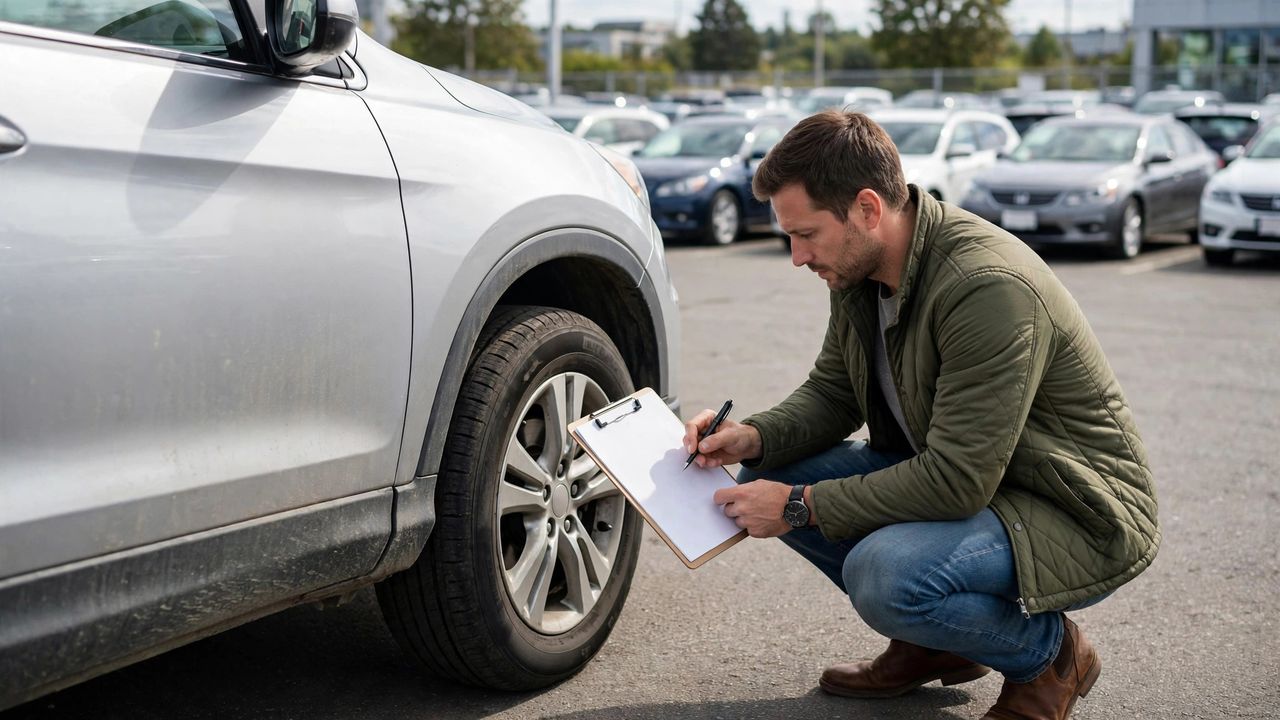
A three-year-old car can cost half of a new one while delivering 90% of the experience — but the used market is also where expensive mistakes live. A good used car saves thousands; a bad one costs thousands. The difference is about one hour of careful checks. Follow this 2026 checklist.
Set Your Real Budget First
The purchase price is only the start. Factor in insurance (get quotes before you buy), registration, taxes, and a repair buffer. Financing a used car at a high interest rate can erase the savings versus new. Budget 10–15% of the car's price for first-year repairs and maintenance.
Research Before You Visit
Look up reliability ratings and the specific model's common faults — every car has a weak point, and forums will tell you exactly what it is. Check typical market prices so you recognize a deal or a trap. Never fall in love with a car before you've inspected it.
The Inspection That Matters
Always get an independent pre-purchase inspection from a mechanic you choose — never the seller's. They'll spot accident repairs, flood damage, worn suspension, and tired engines that a test drive hides. A $100 inspection can save you $3,000 in hidden repairs. If the seller refuses an inspection, walk away immediately.
Check the Paperwork
Verify the title is clean (no salvage or rebuilt branding), the mileage is consistent across records, and the VIN matches everywhere. A vehicle history report reveals accidents, flood claims, and odometer rollbacks. Walk away from any seller who rushes you past the documents.
Negotiate and Close Safely
Start below market price and justify it with inspection findings — every flaw is a discount. Meet in a public place, pay by traceable method, and complete the title transfer properly. Polite silence after your offer is your best negotiating tool.