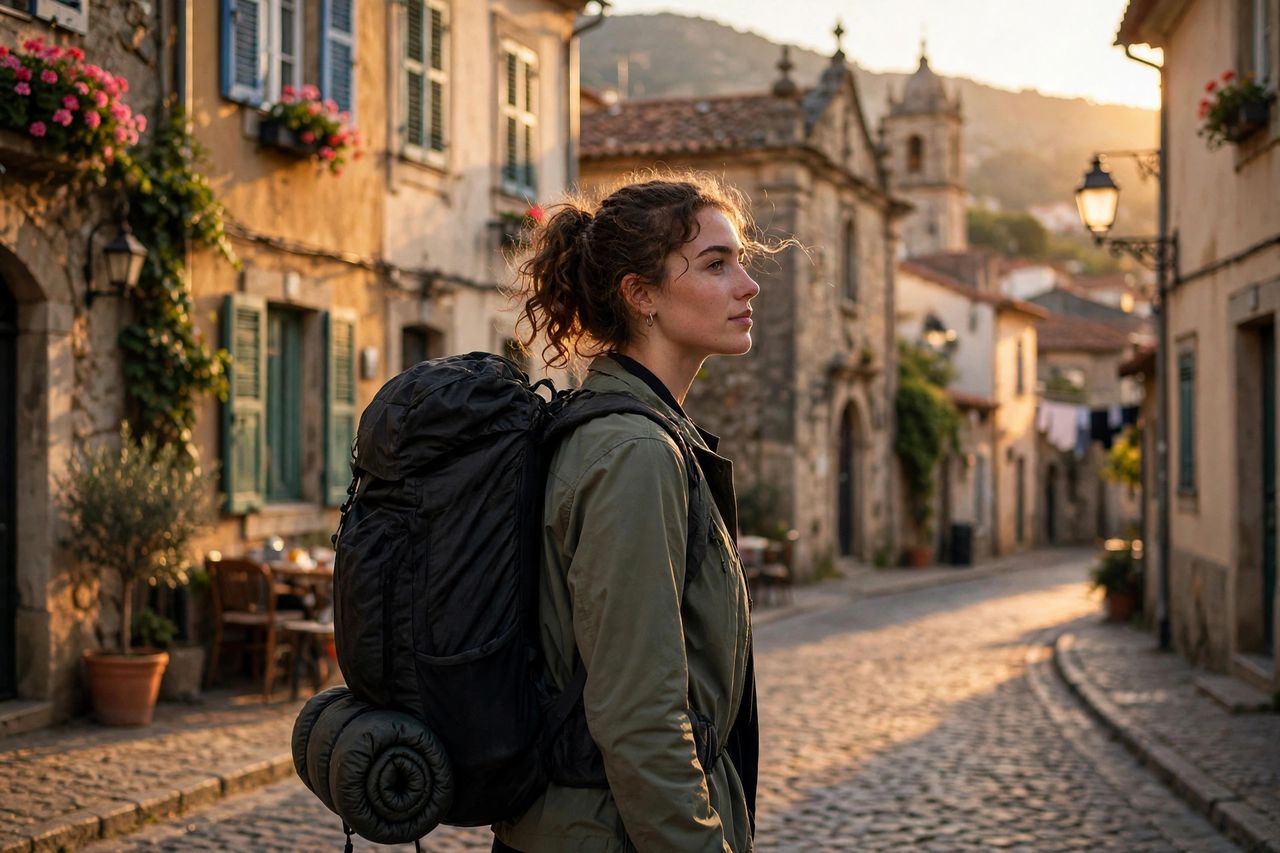
Europe has a reputation for being expensive — and it can be, if you travel like everyone else. But travelers who plan smartly are crossing the continent for less than a week at home costs. The secret is not skipping the good stuff; it is knowing when to go, how to move, where to sleep, and how to eat. Here is the complete budget playbook for 2026.
Time It Right: The Shoulder Season Wins
Late May to early June and September to mid-October are Europe's sweet spots. Flights and hotels drop 30–50% from August peaks, crowds thin out, and the weather is still gorgeous. Avoid the last week of July through August entirely — prices spike and famous sights become queues. Traveling Tuesday to Thursday instead of weekends can shave another 20% off fares and beds.
Move Smart: Cheap Wheels, Not Cheap Thrills
Budget airlines still offer rock-bottom fares if you book 6–10 weeks ahead and travel with only a backpack — checked bags erase the savings. For overland routes, long-distance buses cost a fraction of trains and are surprisingly comfortable. And do not ignore night trains: a sleeper from Vienna to Venice or Paris to Munich replaces one hotel night and saves a day of sightseeing. Compare routes on multi-mode search apps before booking anything.
Sleep Cheap, Sleep Well
Hostels in 2026 are nothing like the grim dorms of old — many have private rooms, coworking corners, and social events, often at half the price of a hotel. Guesthouses and family-run pensions in smaller towns are even cheaper and warmer. For longer stays, apartment rentals with a kitchen pay for themselves in a few days. Traveling solo? House-sitting sites let you stay free in exchange for watching someone's home and pets.
Eat Like a Local, Pay Like One
Tourist menus near famous sights can cost triple. Walk three streets away from any landmark and prices halve. Lunch is Europe's bargain meal — look for the fixed-price menu of the day, common from Lisbon to Warsaw. Markets and bakeries give you picnic food for a few euros, and cooking even two dinners a week in a hostel or apartment kitchen saves serious money. In southern Europe, dinner late means cheaper tapas bars, not fine dining.
Free and Cheap Experiences
The best things are often free. Most major cities run free walking tours where you tip what the tour was worth. Many museums have free days or evenings once a week — plan your sightseeing around them. Churches, viewpoints, old towns, and parks cost nothing and deliver the postcard views. For paid attractions, city passes and combined tickets beat buying separately when you will visit three or more sights.
The Budget Traveler's Toolkit
Set a daily spending cap in a simple budgeting app and track for the first three days — that awareness alone cuts waste. Use a travel card with zero foreign-transaction fees and withdraw cash from bank ATMs, never currency exchanges. Keep a small emergency buffer separate from your daily budget so one surprise never ruins the trip. Europe rewards the prepared traveler: plan the framework, then leave room for happy accidents.
Budget travel is not about deprivation — it is about spending where it matters and skipping where it does not. Do that, and 2026 can be the year you finally see Europe without breaking the bank.