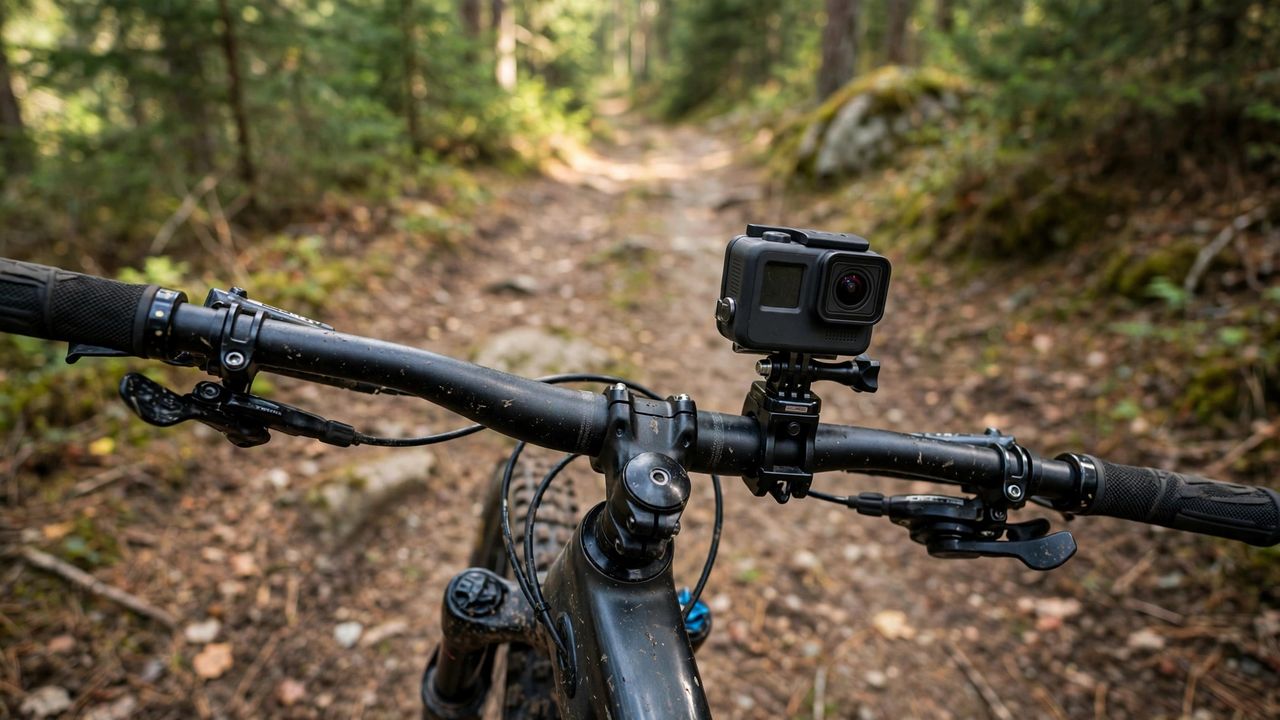
Action cameras capture the moments your phone cannot — underwater, on a bike, mid-adventure. GoPro defined the category, but strong alternatives now cost far less. Here is how to choose your first one without overpaying.
Do You Actually Need One?
Be honest first: modern phones shoot excellent video and you already own one. An action camera earns its place when you need waterproofing, helmet/chest mounting, or ultra-wide angles — surfing, cycling, skiing, diving, vlogging on the move. If your adventures are mostly dry and handheld, your phone plus a gimbal may be enough. Buy for real use cases, not imagined ones.
Specs That Matter: Stabilization First
Electronic stabilization is the #1 feature — it turns shaky footage into smooth, watchable video, and the best systems are genuinely gimbal-like. Next: 4K at 60fps is the sweet spot (crisp + smooth slow motion); 5K+ is nice but heavier on storage. Waterproofing without a case (usually 10m) saves hassle. And check low-light performance in reviews — small sensors struggle after sunset, and this is where cheap models fall apart.
GoPro vs. the Alternatives
GoPro remains the benchmark: best stabilization, biggest accessory ecosystem, easiest editing app — but you pay a premium. DJI rivals it on stabilization with great value; Insta360 leads in 360° and creative modes. Budget brands offer 70% of the experience for half the price — fine for casual use. Tip: the accessory mount system matters as much as the camera; GoPro-style mounts are the universal standard, so check compatibility.
Beginner Tips for Great Footage
Shoot more than you need — short clips beat one long take for editing. Clean the lens constantly; a fingerprint ruins more footage than any spec gap. Buy two batteries minimum — action cams drain fast, especially in 4K. Use a fast microSD card (U3/V30) or you will get recording errors. And learn the app's basic edit tools — the best footage in the world gathers dust without a quick trim and share.
Smart start: a mid-range model ($200–$300) with great stabilization beats a flagship for beginners. You get 90% of the footage quality at half the price — and by the time you outgrow it, you will know exactly what your next camera needs.